Prostate Cancer Screening: INOC’s Project for Early Diagnosis
The study conducted in Piedmont—which counts INOC (the Candiolo National Cancer Institute) among its sponsors — shows that more than half of men with elevated PSA levels can avoid unnecessary biopsies thanks to the integration of magnetic resonance imaging and risk calculators.
Why Is Prostate Cancer Screening Necessary?
In Italy, prostate cancer is the most common cancer among men, with approximately 41,000 new cases each year. Despite its high incidence, unlike other cancers such as breast, colorectal, and cervical cancer, there is still no organized national screening program.
What is the PROscreenMRI protocol?
To address the lack of an organized national screening program, PROscreenMRI was launched—a pilot study sponsored by INOC (Candiolo National Cancer Institute) and by the Reference Center for Cancer Epidemiology and Prevention (CPO) in Piedmont,by the San Luigi Gonzaga University Hospital in collaboration with the TO5 Local Health Authority, with the goal of evaluating a new model of early diagnosis that is more effective, appropriate, and sustainable.
The study, funded by the Piedmontese Foundation for Cancer Research through the 5×1000 program and by the Ministry of Health (Corrente Research Funds), involves men between the ages of 55 and 65 residing in the ASL TO5 district.
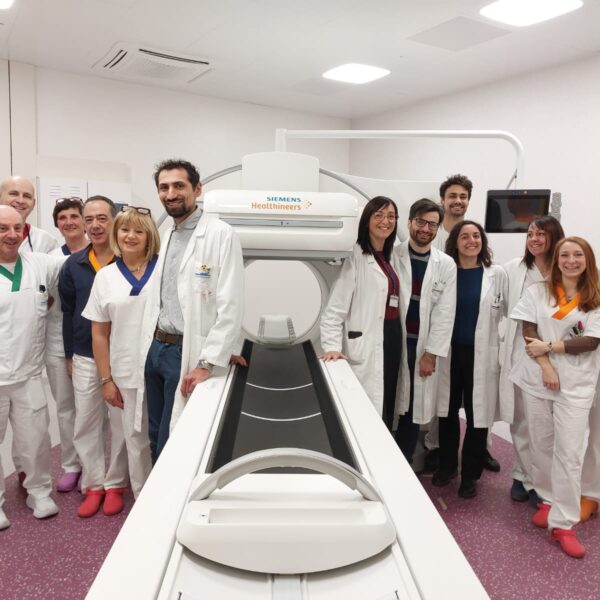
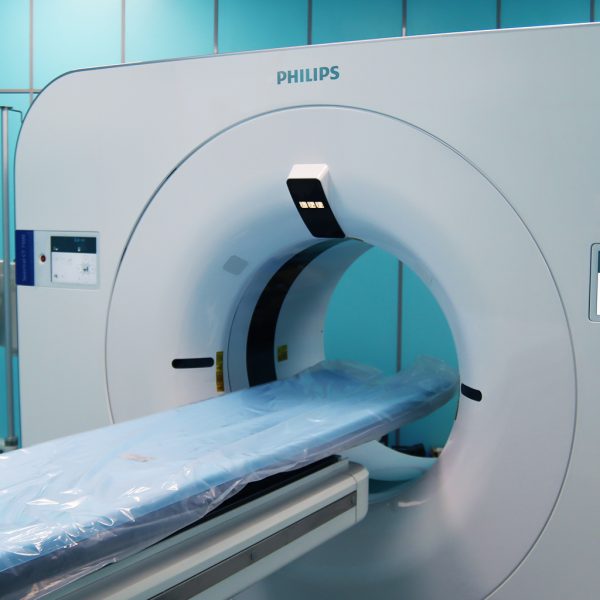
The citizens selected following the identification of eligible individuals were contacted by the Screening Evaluation and Organization Unitof ASL TO5 and were invited to undergo a PSA test; if their results exceeded the reference ranges, automatically referred for further diagnostic testing through a process that combines multiparametric magnetic resonance imaging and risk calculators at INOC—the Candiolo National Oncology Institute.
Preliminary Results
Preliminary data collected between February 2025 and March 2026 confirm the effectiveness of the new approach. Among more than 11,000 men invited to participate in the screening, the protocol made it possible to more accurately identify patients who needed to undergo invasive procedures. Specifically, among the 146 participants who completed the entire diagnostic process, 63% were referred for simple follow-up, avoiding biopsies that would have been performed under traditional protocols based exclusively on PSA. At the same time, the system demonstrated high accuracy in identifying clinically significant tumors.
“This study represents a crucial step toward establishing an organized prostate cancer screening program,” says Dr. Vittoria Grammatico, head of the Screening Evaluation and Organization Unit at ASL TO5. “Our goal is to evaluate not only the clinical effectiveness of the screening pathway but also its integration into public health programs, ensuring equitable access and high-quality care for citizens.”
Dr. Daniele Regge, a radiologist and the study’s principal investigator at INOC—the National Oncology Institute of Candiolo—adds: “From a radiological standpoint, incorporating MRI into the screening process allows for a much more accurate characterization of lesions.” Preliminary data, in fact, confirm that it is possible to improve the identification of clinically significant tumors while avoiding unnecessary tests.
A personalized journey
As Prof. Francesco Porpiglia, director of the university department of Urology at INOC—the Candiolo National Oncology Institute—this is a personalized screening program that stands out forits integration of PSA, MRI, and risk calculators, enabling the development of a specific diagnostic strategy for each patient. This protocol, through the useof artificial intelligence and robotic systems, will further improve diagnostic capabilities, reducing the risk of overdiagnosis and unnecessary treatments.
A project of European scope
The project has also already taken on a European dimension: INOC—the Candiolo National Cancer Institute— and CPO Piemonte have joined the European PRAISE-U+ consortium, securing a grant from the European Commission to continue research and development of the screening model.