Perioperative Therapies for Lung Cancer: What They Are and Why They Represent a Breakthrough

BY.

Dr.
Chiara Lazzari
Oncologist, Clinical Research and Innovation, Oncology Day Hospital
The non-small-cell is among the most common cancers: today, about 30% of patients are diagnosed with a disease that is still surgically resectable. Sometimes, in these cases, surgery may be combined with perioperative therapy—the use of medications administered before and/or after surgery to reduce the risk of recurrence and increase the chances of recovery. In this article, we answer the most frequently asked questions about this treatment.
View profile
What is meant by “perioperative therapy” in lung cancer?
To reduce the risk of recurrence and increase the chances of recovery, surgery is often combined with drug therapy: “perioperative therapy,” made possible by new combinations of chemotherapy and immunotherapy. In fact, this term refers to the combination of drug treatments administered before and after surgery.
It consists of two phases:
- neoadjuvant therapy, that is, therapy administered before surgery;
- adjuvant therapy, that is, therapy administered after surgical treatment.
Depending on the type of tumor, its stage, the tumor’s genetic characteristics, and the patient’s condition, the treatment plan may consist of neoadjuvant therapy alone, adjuvant therapy alone, or both. The treatment strategy for a patient with localized or locally advanced non-small-cell lung cancer is determined by a multidisciplinary team consisting of an oncologist, a thoracic surgeon, a pulmonologist, a radiation oncologist, a radiologist, and a pathologist.
Why isn’t surgery always the first step these days?
Today, thanks to precision medicine, the molecular characteristics of the tumor are also analyzed before deciding how to treat a patient with non-small-cell lung cancer. In recent years, more and more of these characteristics have been discovered, and this has made treatment decisions more complex.
For patients with localized or locally advanced disease, it is helpful to know whether these genetic alterations are present and to determine the level of a protein called PD-L1. This information helps doctors better understand the type of cancer, the prognosis, and whether immunotherapy might be more effective as part of the treatment strategy before and after surgery.
In Italy, molecularly targeted therapies are not yet approved for use prior to surgery. However, understanding the molecular profile of the tumor is important for two reasons:
- If the tumor has an EGFR gene mutation or an ALK gene alteration, immunotherapy is not effective. There are still no clear data regarding other, less common mutations (HER2, MET, RET, ROS1).
- Specific targeted therapies are available after surgery. If the patient has a common EGFR gene mutation or an ALK gene alteration, they may receive targeted drugs already approved in Italy following surgery: osimertinib ( for 3 years) in the case of an EGFR mutation, or alectinib (for 2 years) in the case of an ALK gene translocation.
For this reason, it is necessary to understand the genetic characteristics of the disease before surgery in order to choose the most appropriate treatment.
These are complex decisions that require consultation among multiple specialists at centers with specific expertise in this type of cancer. Seeking care at specialized centers—especially where clinical trials are available—ensures access to more targeted and innovative treatments.
What is the purpose of these pre- and post-operative treatments?
The goals of neoadjuvant (or preoperative) therapy are:
- to reduce the size of the tumor, in order to make the surgery less invasive;
- to act immediately on any cancer cells that have already spread to other parts of the body in very small quantities (known as “micrometastases”), which are not yet detectable by tests;
- achieve a major or complete pathological response, which is associated with increased survival;
- to increase the likelihood thatsurgery will remove the entire tumor;
- to avoid unnecessary surgery in cases where the tumor is very aggressive, does not respond to medication, and spreads rapidly.
The term “pathological response” indicates how effective the treatment given before surgery actually was. It is not assessed using a CT scan or an MRI, but rather by examining under a microscope the tissue removed by the surgeon during the operation: the pathologist examines the sample and determines how many cancer cells are still viable and how many have been destroyed by the treatment.
Based on our findings, several different situations can be identified:
- Complete pathological response: No viable tumor cells are found in the resected tissue. This is the best possible outcome and is generally associated with a more favorable prognosis;
- major or partial pathological response: most of the tumor has been destroyed, but a small proportion of viable tumor cells remains;
- No significant response: The tumor remained essentially unchanged despite treatment.
The goal of postoperative, or adjuvant, therapy, on the other hand, is to eliminate any micrometastases that may persist after surgical treatment. With the introduction of perioperative treatments involving chemotherapy and immunotherapy, it is becoming increasingly common to offer patients preoperative therapy rather than postoperative therapy alone, due to the greater benefits it provides.
There are exceptions for certain groups of patients, such as those with the most common EGFR gene mutations or with ALK gene alterations: for these patients, targeted therapies are currently approved only after surgery. In these cases—partly because immunotherapy is not very effective—postoperative drug therapy is the preferred approach.
How long have these therapies been in use?
Perioperative and neoadjuvant therapies have been approved by AIFA and, as a result, have very recently become available to patients. AIFA’s approval followed the completion and analysis of the results of three Phase 3 clinical trials, which tested the efficacy and safety of this approach.
Three drug combinations are currently available in Italy:
- platinum-based chemotherapy in combination with pembrolizumab, administered before and after surgery, available starting March 4, 2025;
- platinum-based chemotherapy in combination with nivolumab, administered only prior to surgery, available starting March 25, 2025;
- Platinum-based chemotherapy in combination with durvalumab, administered before and after surgery, available starting June 29, 2026.
There are no comparative studies of the three combinations, and they are all equally effective with comparable tolerability profiles.
What is the advantage of immunotherapy over chemotherapy alone?
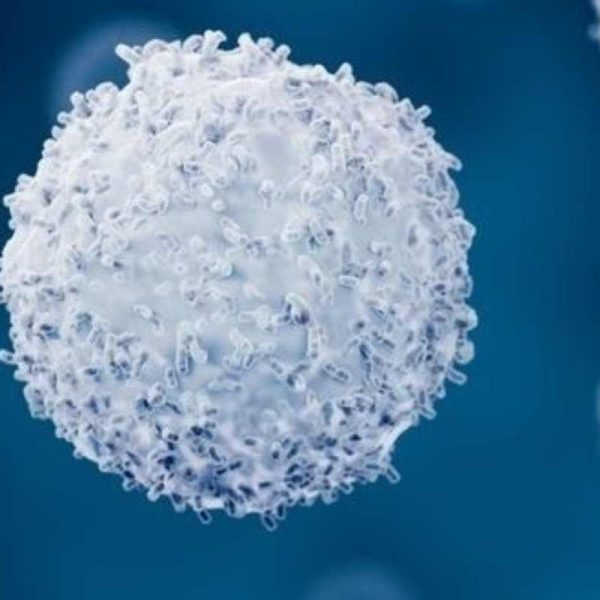
The immune system uses the same mechanisms against cancer cells as it does to defend us against infections. Over time, cancer cells accumulate genetic “defects” that make them recognizable to the immune system. When the immune system recognizes them, it attacks and destroys them.
To prevent prolonged activation of the immune system from damaging healthy tissues, the body employs mechanisms that modulate and suppress the immune response. Among these is the PD-1/PD-L1 checkpoint, which blocks the immune system and is exploited by cancer cells to evade it.
Drugs such as pembrolizumab, nivolumab, and durvalumab inhibit this mechanism, restoring the antitumor activity of immune system cells. When used in combination with chemotherapy—as is the case in neoadjuvant and perioperative therapies—their efficacy increases. Chemotherapy and immunotherapy enhance each other’s effects: chemotherapy helps eliminate the cells and mechanisms that could suppress the immune system, while immunotherapy drugs stimulate it .
The results of the three Phase 3 studies, which compared chemotherapy combined with immunotherapy to chemotherapy alone, demonstrated a clear benefit from adding immunotherapy: a lower risk of the tumor returning, more cases of significant tumor reduction or disappearance, and longer survival.
To give you a concrete example:
- Chemotherapy alone increases the chances of survival by about 5%;
- Chemotherapy combined with immunotherapy increases them by about 30%;
- Complete tumor disappearance (complete pathological response) is observed in about 25% of cases with chemo-immunotherapy, compared with less than 5% with chemotherapy alone.
Another benefit of incorporating immunotherapy into perioperative and neoadjuvant treatments is that it takes advantage of immunological memory. In other words, immune system cells have learned to recognize cancer cells and retain that memory over time. In this way, they continue to monitor the body to prevent any recurrences.
Who is eligible for perioperative therapy, and how are patients monitored?
Patients with stage II or III non-small-cell lung cancer (both squamous and non-squamous types) who have no other medical conditions that would prevent them from receiving platinum-based chemotherapy and immunotherapy are eligible for this treatment.
The amount of PD-L1 protein present in the tumor does not determine whether or not a patient is eligible for this treatment: even patients in whom PD-L1 is absent can receive it.
Patients with an EGFR gene mutation or an ALK gene alteration are not eligible for this therapy, because immunotherapy is not effective in these cases. At this time, there is no clear evidence of efficacy in patients with alterations in the ROS1, RET, NTRK, HER2, or MET genes.
How does the treatment process work, and what are the side effects?
The process unfolds in clearly defined phases, coordinated by the multidisciplinary team from the very beginning.
Before surgery (neoadjuvant phase)
Treatment generally involves 3–4 cycles of chemotherapy in combination with immunotherapy, administered intravenously every 3 weeks. Each cycle requires a visit to the outpatient clinic for a few hours.
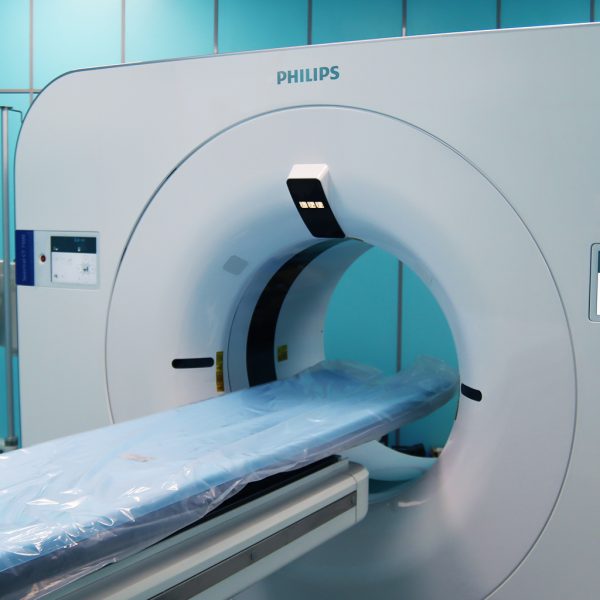
During this phase, the oncologist conducts periodic checkups using blood tests. Halfway through and at the end of the neoadjuvant treatment regimen, patients undergo a contrast-enhanced CT scan of the brain, chest, and abdomen, as well as a PET scan, to assess how the tumor is responding to treatment.
The Surgical Procedure
Once the neoadjuvant cycles are complete—generally after a few weeks, which are needed to recover from the effects of the therapy—surgery is performed. The removed tissue is examined by a pathologist to assess the pathological response.
After surgery (adjuvant phase)
In some cases (depending on the patient’s tolerance of neoadjuvant therapy cycles and the pathological response), following a period of post-surgical recovery, immunotherapy may be continued as monotherapy for about one year, with doses administered every 3–4 weeks.
Estimated total duration
The entire course of treatment, from the first dose to the end of adjuvant therapy, can last approximately 12 to 15 months, depending on the specific protocol and the individual’s response.
Side Effects
The most common types of chemotherapy include :
- fatigue;
- nausea, which is generally well controlled with preventive medications;
- a decrease in white blood cells, resulting in a temporary increase in the risk of infections;
- changes in appetite.
The side effects of immunotherapy vary in nature. Immunotherapy stimulates the immune system, which may then also attack healthy tissue. These effects, known as “immune-related,” can affect various organs:
- skin (rashes, itching);
- intestines (diarrhea, colitis);
- thyroid (abnormalities in thyroid function);
- lungs (inflammation, known as immune-related pneumonia);
- liver (abnormal liver enzyme levels).
In most cases, these effects are mild or moderate, but it is essential to recognize them early.
At the end of the course
Once adjuvant therapy is completed, the follow-up phase begins, which involves periodic checkups scheduled over time, generally every three or six months during the first few years, and then gradually less frequently. These checkups include:
- oncology follow-up visits;
- blood tests;
- Follow-up CT or PET scans at regular intervals.
The goal of follow-up is twofold: to detect any recurrence early and to monitor over time the resolution of any residual side effects of the treatment.
Research is currently underway into the role of liquid biopsy as an emerging tool for detecting minimal residual disease. In fact, circulating tumor DNA can be identified through a blood sample. While it is not yet the standard of care, it may prove useful in the future, after neoadjuvant therapy and surgery, to identify the persistence of residual disease and thus identify patients who may benefit from postoperative treatment, or to detect recurrences in a minimally invasive way—even earlier than what imaging tests such as CT and PET scans are currently capable of.